|
A solar eclipse happened four days ago in Greenland, Iceland, Russia, Portugal, and Spain.
And turns out, people like to SPEND in the dark. The "eclipse economy" is now over $1B.
There's a subculture of high-spending eclipse chasers (umbraphiles) who travel the world to experience the sun getting blocked.
The "eclipse of the century" hits in a year - where can we invest?!
|
|

|
|
STORY OF THE WEEK |
We're quiet-quitting conversation
|
|
 |
|
The proverbial cat has, in fact, got our tongue. People are talking less.
Psychologists recently pooled 22 studies run between 2005 and 2019 covering 2,000+ people aged 10-94 across the US, Europe and Australia who were recorded going about daily life.
The trend was steady and one-directional: every year, the average person spoke about 338 fewer words a day than the year before.
Over the full stretch, daily speech fell from roughly 16,000 words in 2005 to about 11,300 by 2019 - a 30% drop, or about 1.7 million fewer spoken words per person per year.
The decline showed up in every age group, but it was steepest in people under 25 (about 452 fewer words a year, versus 314 for everyone older).
So what happened?! The rise of texting, email, and social media, are the biggies - much of our talking has moved to screens. But we're also engaging less in small, incidental exchanges (e.g., asking a cashier for help, getting directions from a stranger, chatting with a neighbor).
Talk soon?
|
|

|
|
IN OTHER NEWS |
The "gifted" fizzle, just say thanks, young & lonely...
|
|
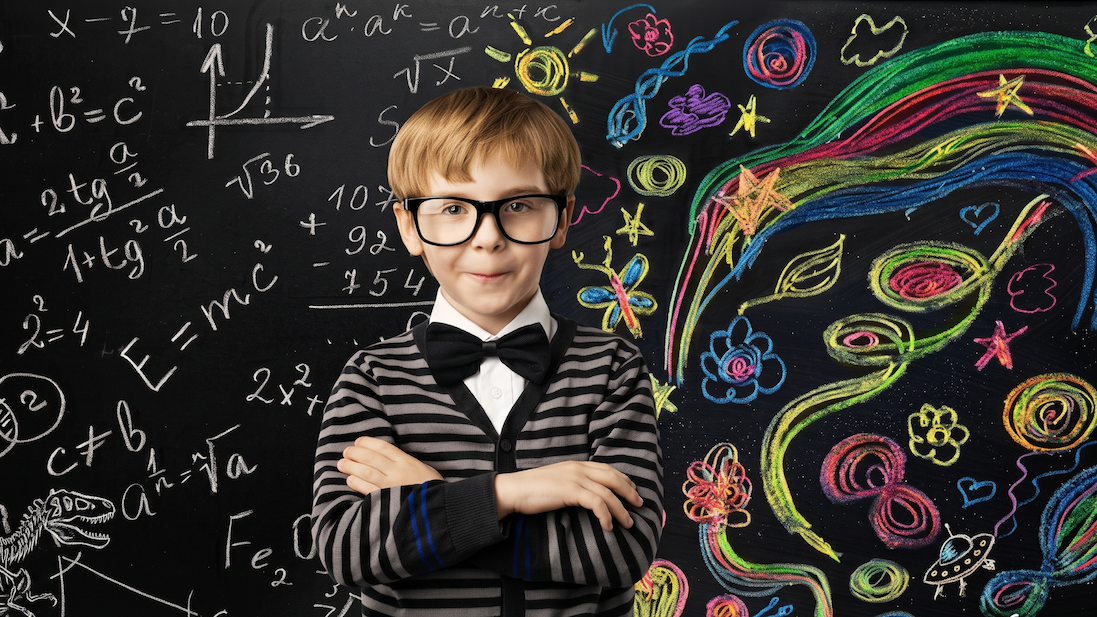
| Researchers tracked thousands of kids labeled "gifted" at age 7 and found it rarely sticks: only 16% were still top scorers by 16. Early talent is a phase, not a forecast. |
|
| We call our go-to order a "favorite." But Dresden scientists studied 700+ people's choices and found we don't objectively prefer it, we just know it. "Favorite" orders are just habits. |
|
| A Harris Poll found Gen Z is the loneliest gen on record (51% vs 14% of boomers). Two-thirds live their social lives mostly through screens. 71% feel they're often missing out. |
|
| In a study of "nonordinary" experiences, 51% said theirs led to lasting growth, decided not by the event but by how they interpreted it. Unsettling = transformative. Get weird. |
|
|

|
|
HACK OF THE WEEK |
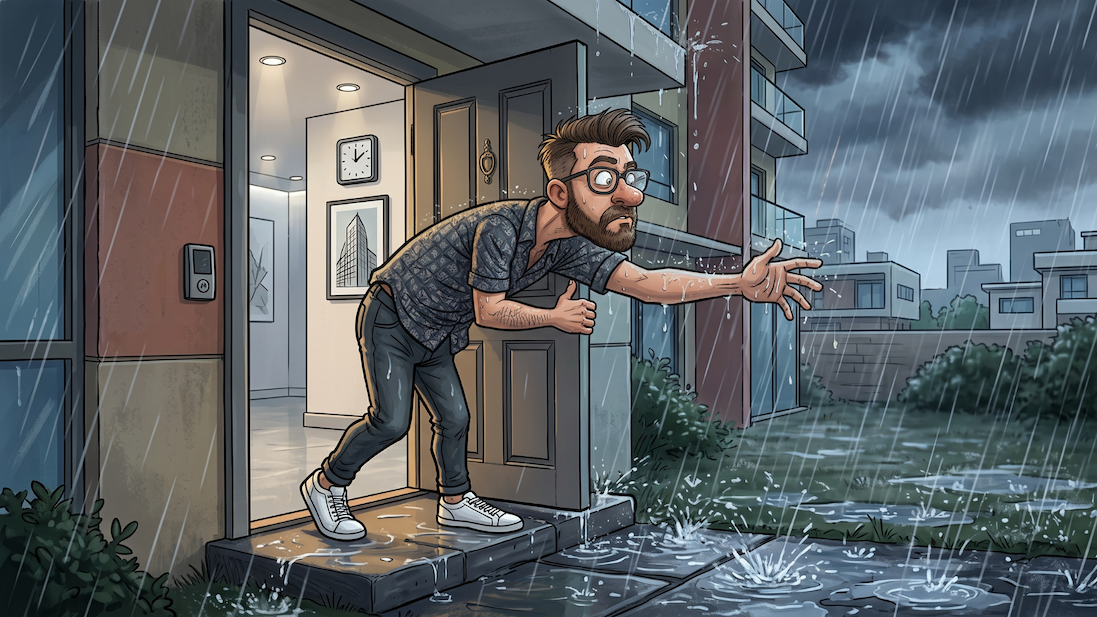
Don't overthink two-way doors
|
|
|
Most decisions feel heavier than they should.
There's a clever reframing solution (originally popularized by Jeff Bezos): sort decisions by what's reversible and what isn't.
Then make decisions in the former bucket fast and in the latter bucket slow.
Don't agonize over a dinner reservation the same way you'd weigh quitting a job, for instance.
Next time you have only, say, 70% of the info you'd want, ask yourself: can I undo this? If yes, hit send. If no, take your time.
|
|

|
|
SHOWER THOUGHTS |
|
|
1. The purpose of a lock is to turn a door into a wall.
2. When you're reading, you're staring at a dead tree and hallucinating.
3. Any dog can be a guide dog if you don't care where you're going.
4. Your right elbow will forever remain untouched by your right hand.
5. The brain is the only organ that named itself.
|
|

|
|
POST OF THE WEEK |
|
|

|
|
QUOTE / TIL / WORD / TRIVIA |
|
|
Simone Weil: “Attention is the rarest and purest form of generosity.” |
|
Today I learned "OMG" is more than a century old. The earliest known use is a 1917 letter to Winston Churchill, in which retired admiral "Jacky" Fisher floated a mock new honor: "O.M.G. (Oh! My God!)." The Oxford English Dictionary traces the abbreviation right back to it. (more here) |
ineffable [ in-EFF-uh-bul ] - adjective
too great or extreme to be put into words.
The view from the summit was ineffable; she just gestured at it.
|
|
Q: What is a group of flamingos called?
|
|
|

|
|
SHOP BRAIN + BODY FUEL |
|
|
Fan of IQNEWS? Forward to friends! 
|
|










Leave a comment
This site is protected by hCaptcha and the hCaptcha Privacy Policy and Terms of Service apply.